Recycled Fabrics for Womenswear
Explore recycled fiber options, garment applications and the documents behind a recycled-content claim.
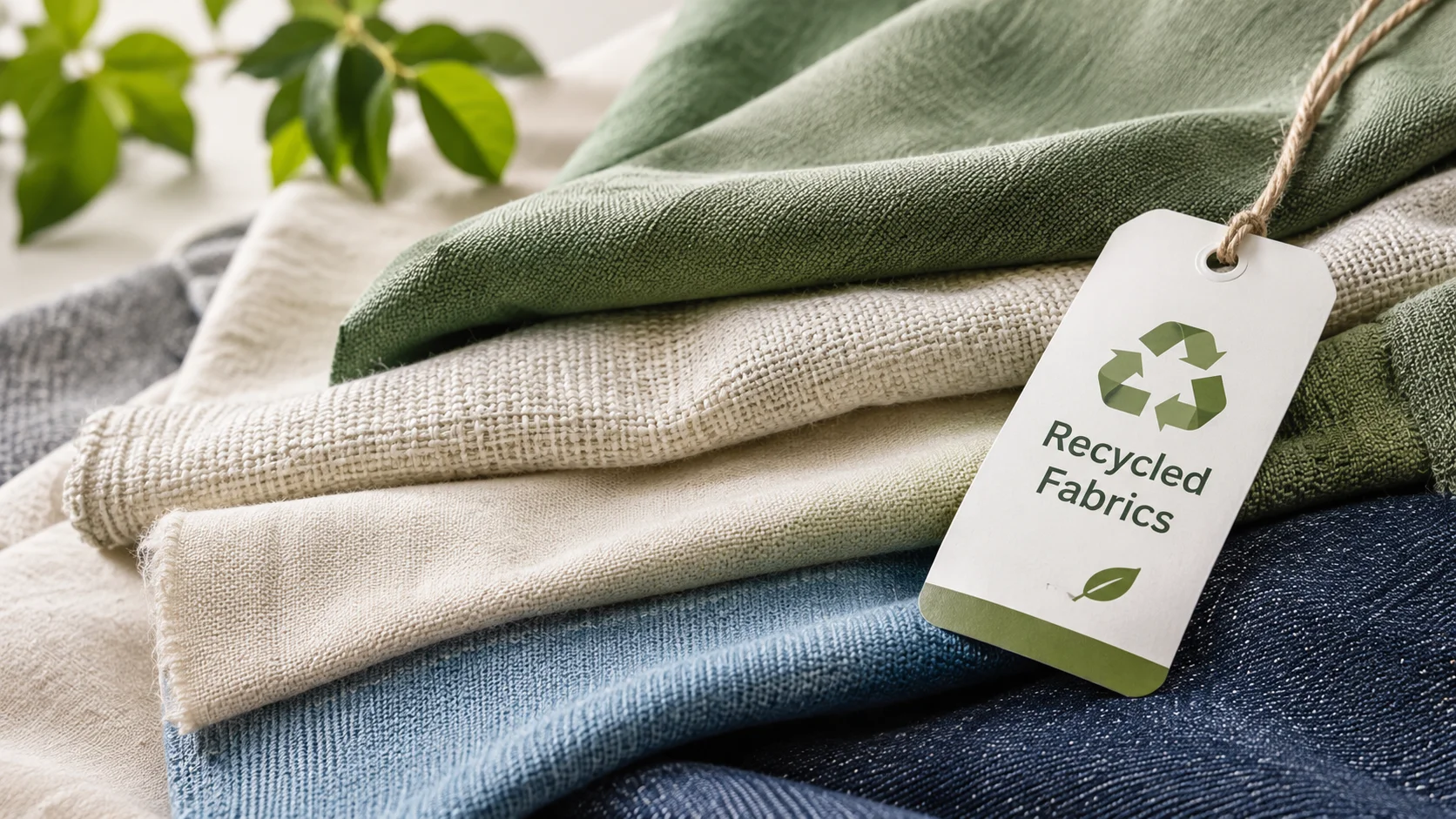
Recycled fibers can be part of everyday tops, fluid dresses, knit separates or technical garments. The useful question is not simply whether a fabric contains recycled material, but whether that particular quality suits your design, price and intended use. This topic connects fiber-source choices with the fabric and garment development work needed for your collection.
Choose the Garment First, Then the Recycled Fiber
Soft tops and dresses
Start with the drape, weight and coverage your design needs. Discuss the proposed fiber blend and fabric construction together, rather than expecting recycled content alone to determine the look or feel.
Knit separates
For close-fitting tops and dresses, the selected knit structure and recovery affect comfort and shape. A recycled-content option still needs to work with the fit, seams and care requirements of the garment.
Activewear and outerwear
Recycled content and functional performance are separate specifications. Stretch, recovery, coverage and any weather-related requirements need their own evaluation on the selected material or garment.
What RCS and GRS Tell You
The Recycled Claim Standard (RCS) and Global Recycled Standard (GRS) provide third-party verification of recycled material and its chain of custody. GRS also includes additional requirements for processing, including social, environmental and chemical criteria.
A supplier holding a certificate does not, by itself, establish that every fabric or order is covered. Ask which material and transaction the documents relate to, and check the claim you intend to make with the relevant certification requirements. Composition and recycled content are separate from performance claims.
Read the current Textile Exchange RCS and GRS guidance and standards FAQs when planning product wording.
Design Around the Fabric You Choose
A recycled-content brief still starts with the garment. The pattern, seam construction and lining need to work with the selected fabric’s weight and drape. Comparing the material in a sample helps you see the trade-offs before the order is confirmed.
From a Swatch to a Garment
A swatch helps compare surface, feel and color. A garment sample shows what happens at seams, hems, openings and areas that stretch during wear. Compare candidates in the intended construction before selecting the material for bulk.
If you are changing an existing style to a recycled-content fabric, keep the original as a fit and appearance reference. A different weight, finish or blend can change drape and ease even if the design remains the same.
Explore Material and Garment Development
Recycled Content, Cost and Product Claims
Fiber source alone does not establish performance. Discuss the intended movement, recovery, coverage and comfort, then evaluate the chosen material in the garment.
Describe the exact recycled-content claim you want to make. Ask for the supplier and transaction documents that apply to the selected material and order, and verify their coverage under the relevant standard. Available documents are assessed for each sourcing route.
The answer depends on the specific fabric quality, supply route, color and quantity. Compare identified alternatives against the same garment specification; a shared fiber name is not enough for a like-for-like price comparison.
Send the garment references, intended fiber or recycled-content requirements and quantities by style and color. YiFu’s typical MOQ is 200 pieces per style and color, with mixed sizes. Material-specific minimums and document availability are confirmed for the proposed option.
Related Articles
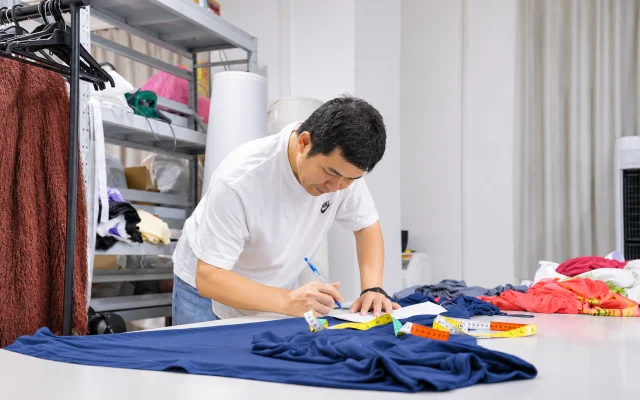
The Womenswear Tech Pack We Use for Sampling and Production
Build a tech pack for one style with measurement points, fabric and trims, construction details and current approval notes.
Read article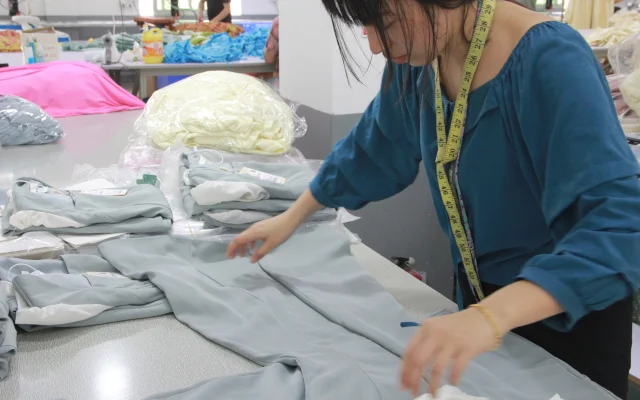
How We Check Womenswear Quality Before Shipment
Follow a fitted party dress from approved sample to packed order, with checks for measurements, workmanship and packing.
Read article