Knit Fabrics for Modern Womenswear
Compare jersey, rib, interlock and structured knits for tops, dresses and coordinated separates.
A soft T-shirt, a fitted rib top and a structured knit dress can all begin with knitted fabric, yet they need different levels of stretch, recovery and body. Choosing the structure alongside the garment helps you judge coverage, movement and the finished silhouette. Explore the differences below, then connect them with material and style references for your own collection.
Three Knit Structures, Three Different Starting Points
Single jersey
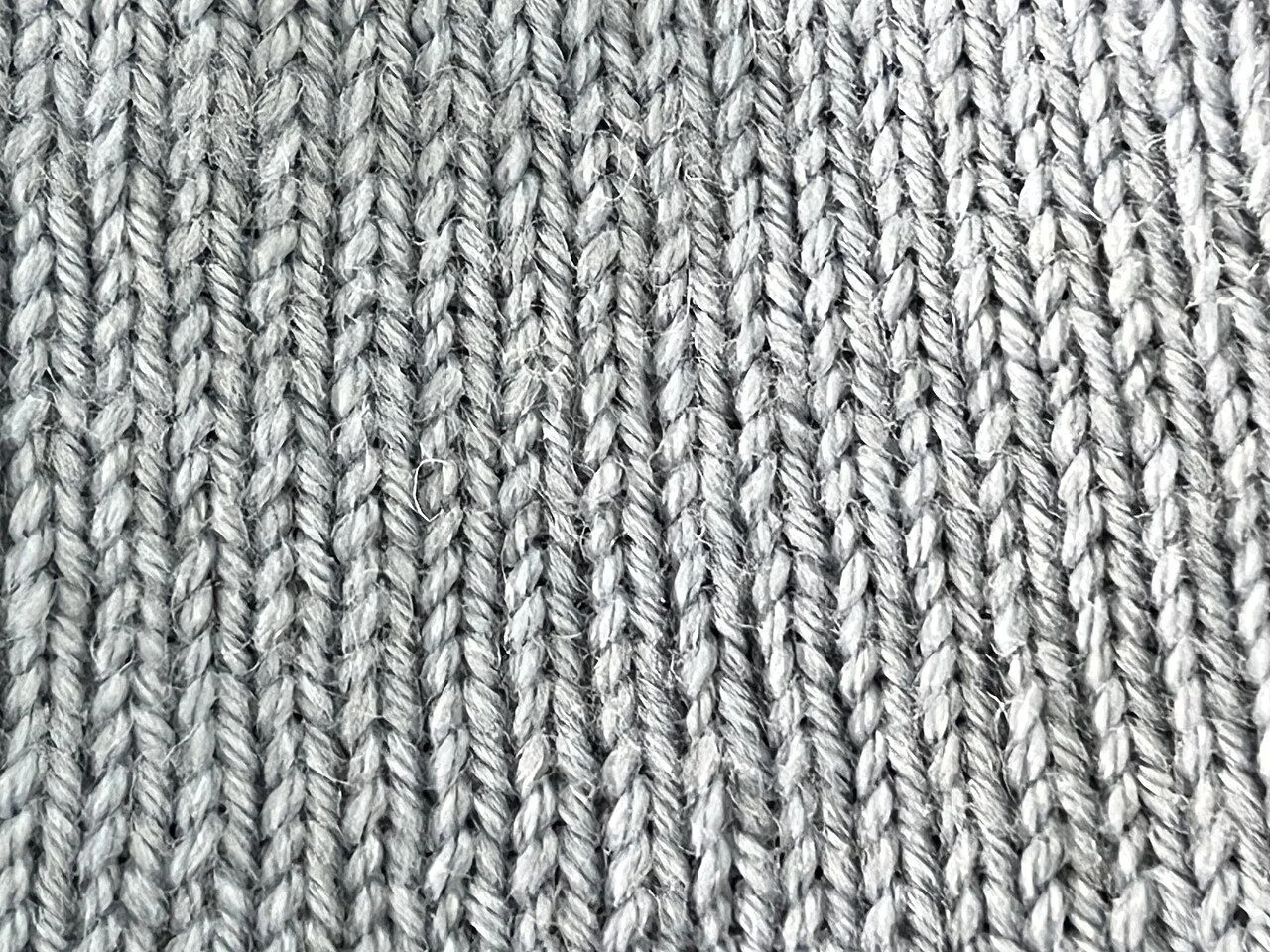
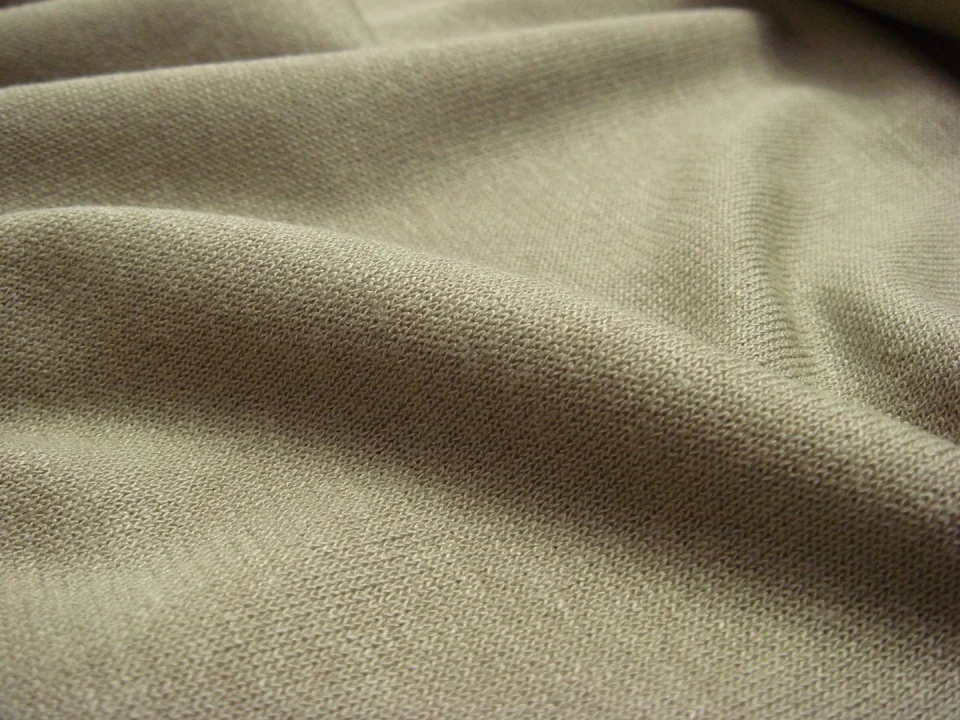
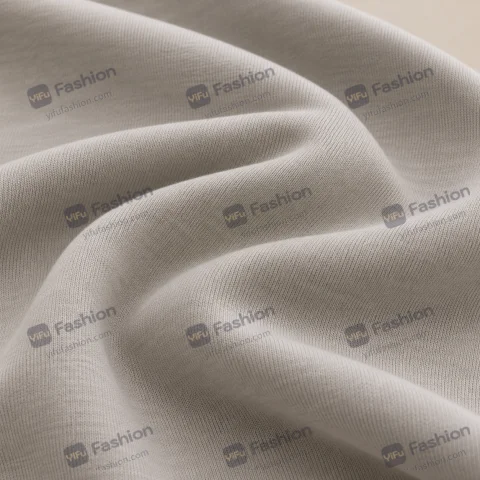
Single jersey has a different-looking face and reverse. It is a useful starting point for soft T-shirts and fluid dresses, with the selected yarn, weight and finishing shaping the final feel.
Rib
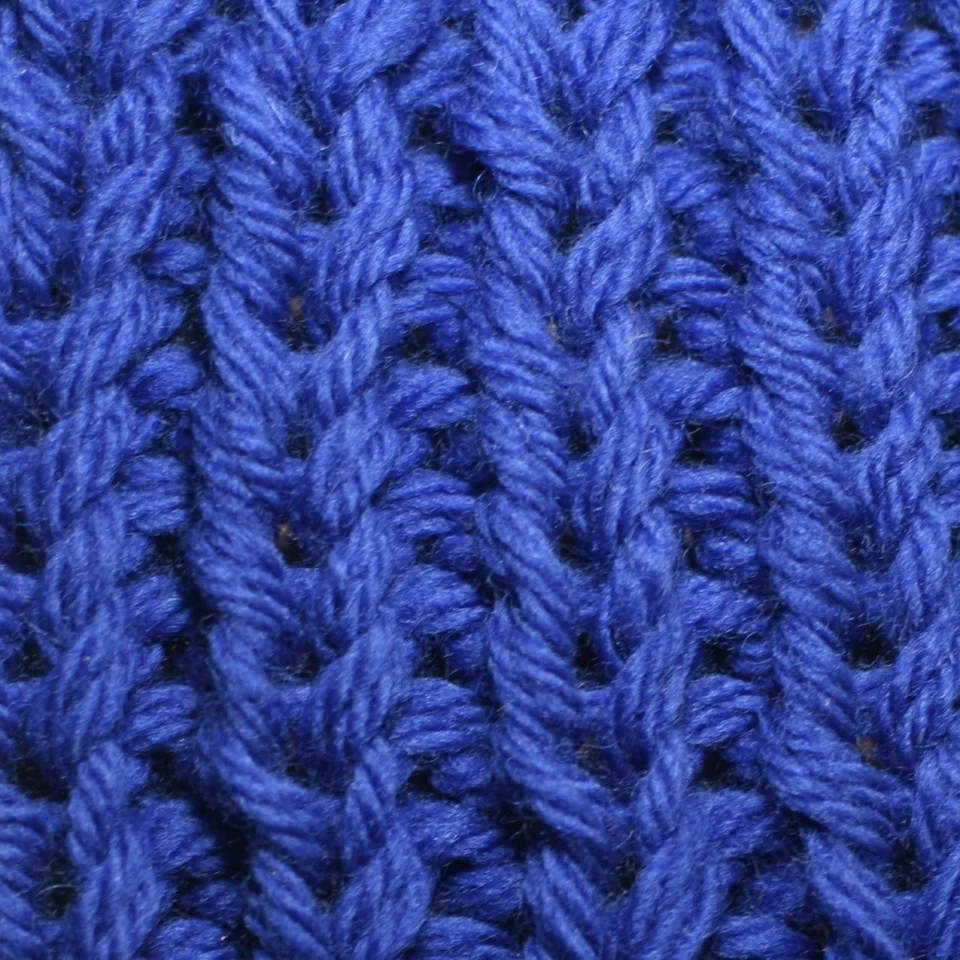
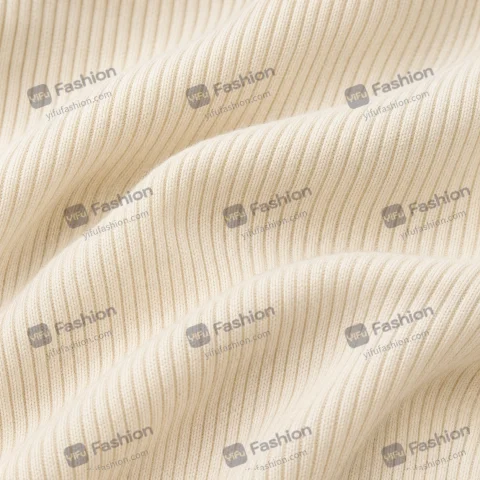
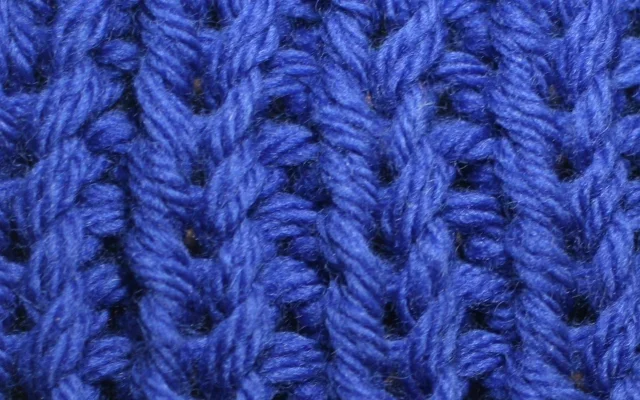
Rib has visible vertical ribs and can stretch across its width as the structure opens. It is used for fitted pieces and bands at necklines, cuffs or waists; the attachment and recovery need to suit the garment.
Interlock
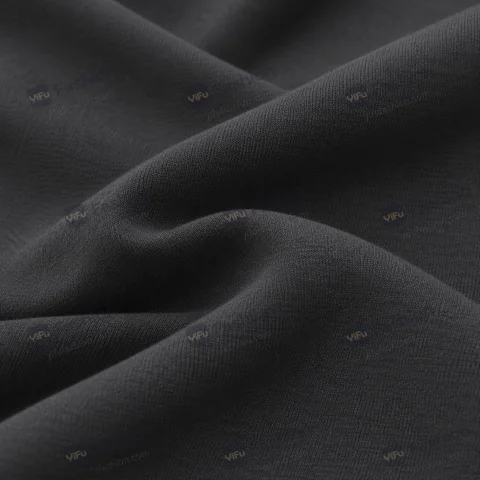
Interlock combines two rib structures into a double knit, with similar-looking faces and a more stable structure than basic rib. Consider the actual quality for smooth tops and dresses rather than selecting by fiber blend alone.
Soft Drape or a More Defined Shape?
The fabric needs to work with the intended fit. A lightweight jersey can follow the body differently from a denser double knit, while a rib adds a visible directional texture. Compare the fabric against the actual silhouette, including length, ease, openings and hems.
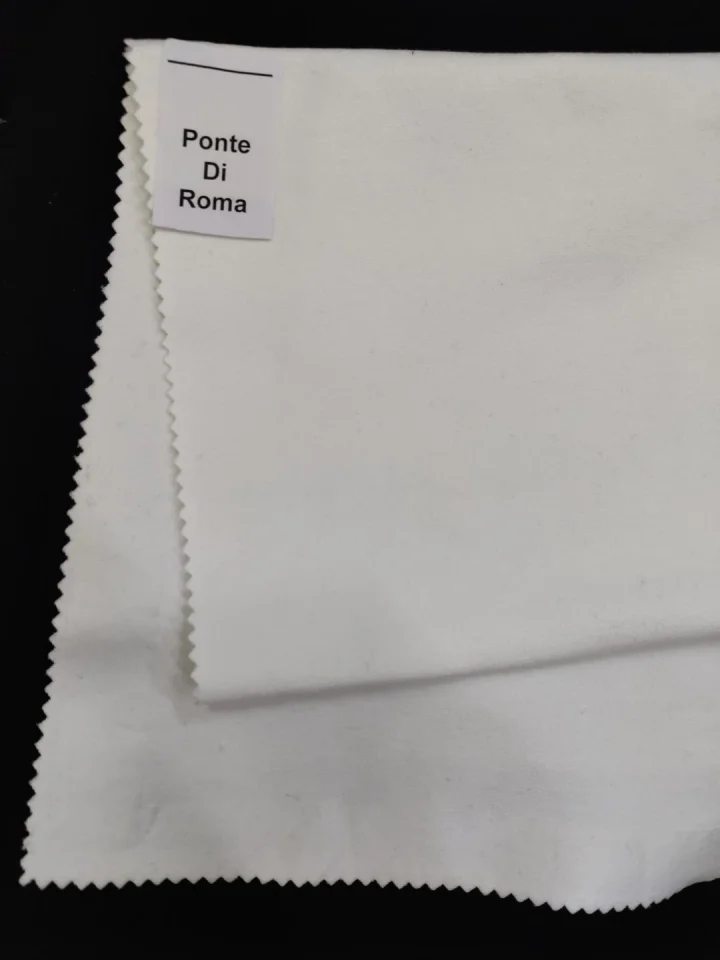
Ponte and other structured knit options can be considered for dresses, skirts and trousers that need more body. The fabric name is a starting point; weight, blend, finishing and the sample determine whether a particular quality works.
Texture and Structure Side by Side
These fabric directions help explain the differences. Choose a specific quality and review the physical swatch for your collection.
Compare Specific Knit Material References
What to Look for in the Sample
Look at the garment both at rest and during movement. Check whether seams and hems sit cleanly, whether the neckline holds its intended shape, and how the fabric recovers after stretching. For fitted styles, review coverage in the positions the customer will actually wear.
Review measurements after the intended care process as well. Knit construction, yarn and finishing can influence dimensional change; a swatch and a garment sample answer different questions.
For technical background, see CottonWorks’ single and double knit guide and shrinkage and skewing guidance.
Explore Garment and Development References
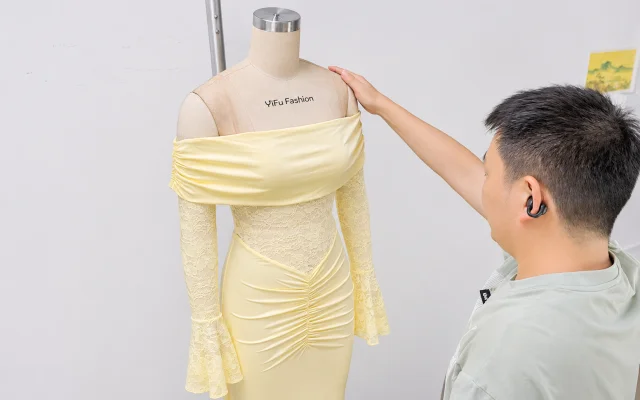
Stretch, Fit and Knit Garment Development
Elastane content is only part of the picture. Compare the selected fabric’s stretch and recovery, then review the fit and shape of the garment after movement and the agreed care process.
Sometimes, but the neckline also depends on its pattern and attachment ratio. Develop the band with the chosen fabric and check the opening, seam bulk and recovery on the sample.
Compare the surface and silhouette you want. Rib brings a visible vertical texture and widthwise extensibility; interlock offers a smoother double-knit starting point. Assess the actual weight and quality in a sample.
Samples usually take 7–10 calendar days after style and material confirmation and cost $50–$150 per style depending on fabric and complexity, with shipping extra. The sample fee is refunded when you place a bulk order. Typical bulk production is 2–4 weeks after order details and approvals are complete; confirm the plan for your specific styles.
Related Articles
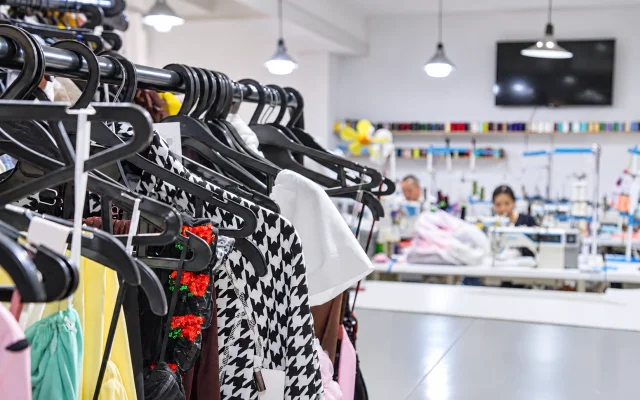
Womenswear Sampling at YiFu: Cost, Timing and Fit Approval
Find out what our sample room needs, when the 7–10 calendar-day estimate starts, and what to confirm before moving to bulk.
Read article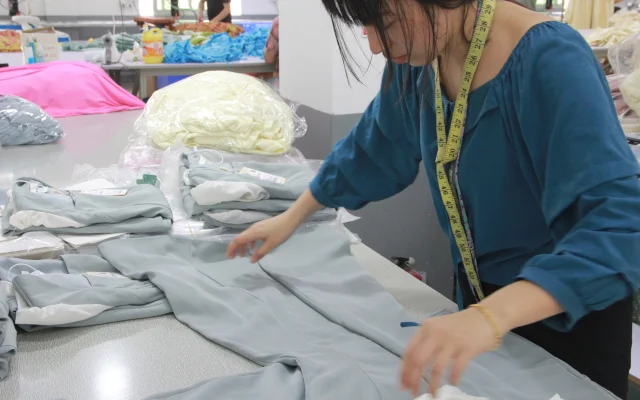
How We Check Womenswear Quality Before Shipment
Follow a fitted party dress from approved sample to packed order, with checks for measurements, workmanship and packing.
Read article